Daily Wanderlust: Krakow, Poland

I thought I’d never make it to Krakow. Under the cover of night, I boarded a van which took me across the border into Hungary, dropping me off back in Budapest before the sun rose. Then, at 6 in the morning, I got on a bus to head to Krakow. It was 24 hours of Romanian sunsets, Hungarian mornings and Polish afternoons.

When I arrived to Krakow, before I even got to my hostel, I managed to walk straight into the funeral procession for President Lech Kaczynski and many of the political and military leaders of Poland. To be a part of that historic moment, as tragic as it was, is something I will never forget.

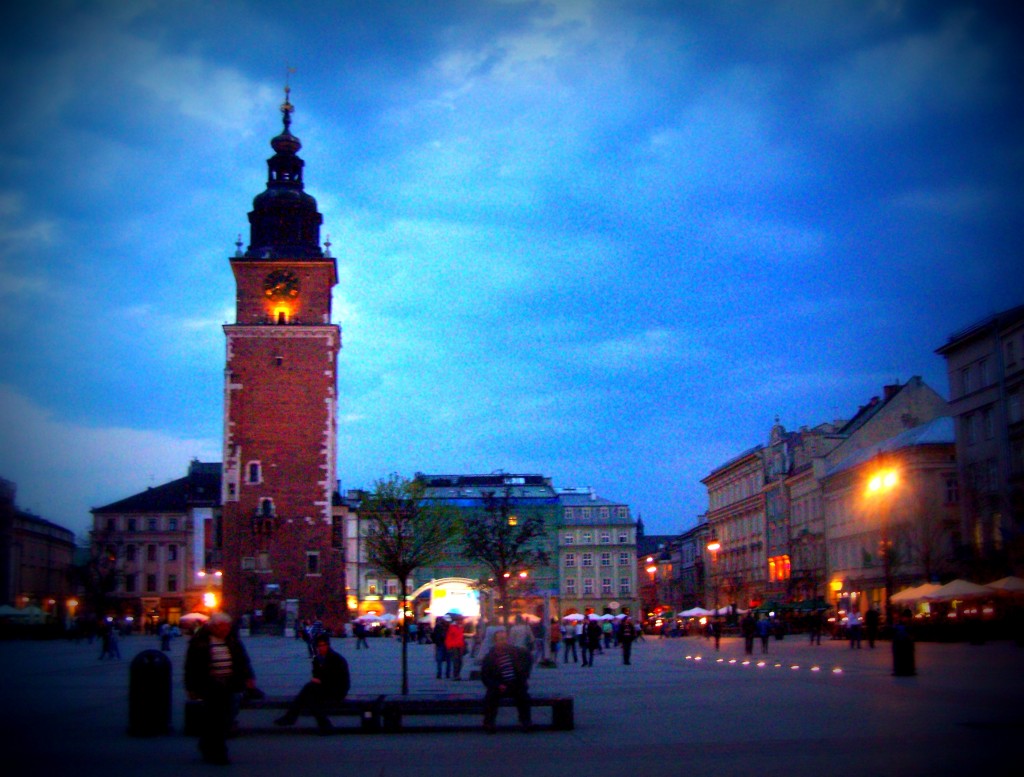
That evening I took some solitary time and headed to the city’s main square in Old Town and was absolutely delighted by what I saw. As the sun set and the moon rose behind the historic church, St. Wojciech, little lights began to twinkle in the windows of the old buildings. Horses giving romantic rides clopped their hooves against the old stones. It was a magical moment as I prepared myself for my next adventure, exploring Krakow’s Jewish District the following day.

Daily Wanderlust: Nighttime in Cluj-Napoca, Romania

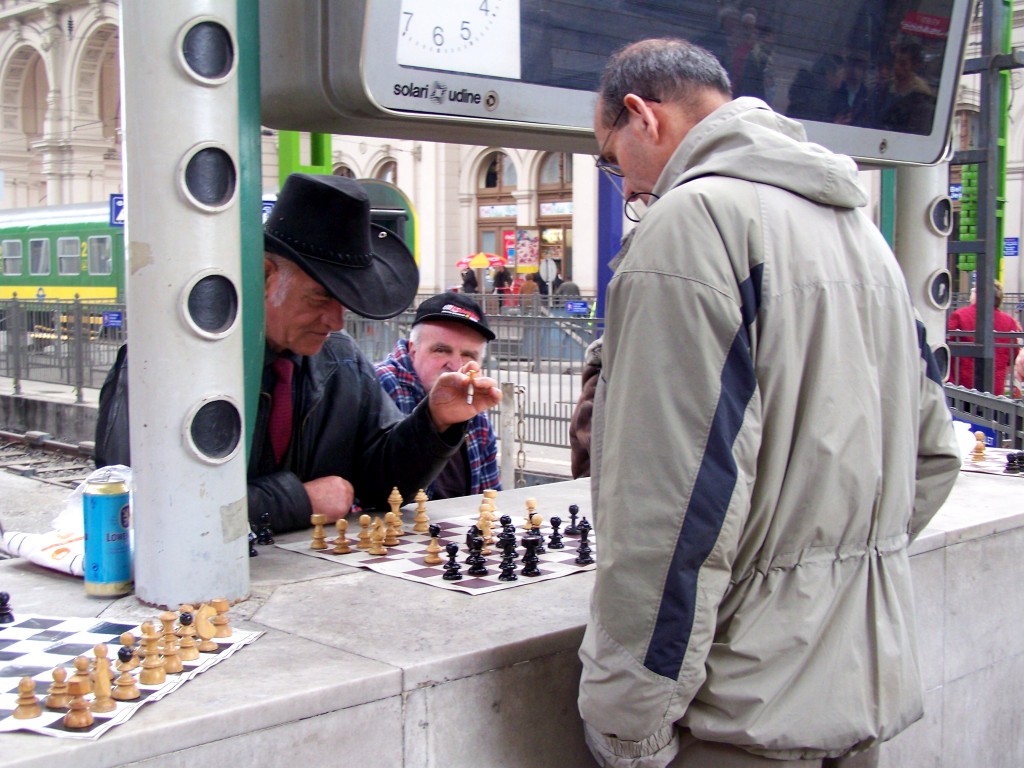
After taking the photo of men playing chess at Budapest’s train station, and heading to Brasov, Romania, for five nights of friends and fun, it was time to venture to my next stop — Cluj-Napoca.

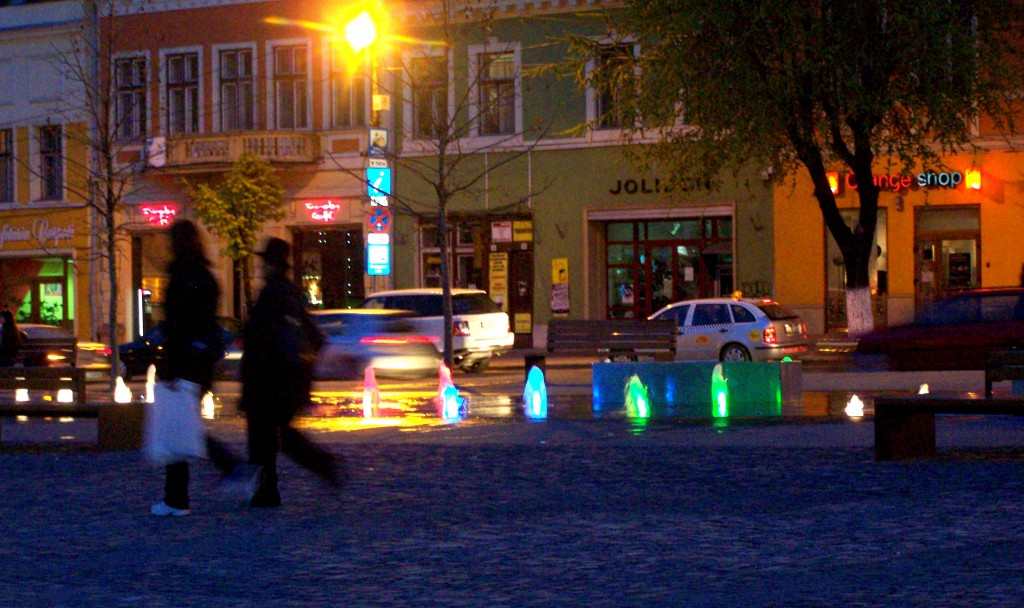
This college town was gorgeous. One of the main squares, by day, was incredibly beautiful. But, once the sun went down, I loved the little fountain feature where tiny bursts of bubbling water would jet out from the sidewalk, lit in a variety of colors.


Escape of the Week: Chefchaouen, Morocco

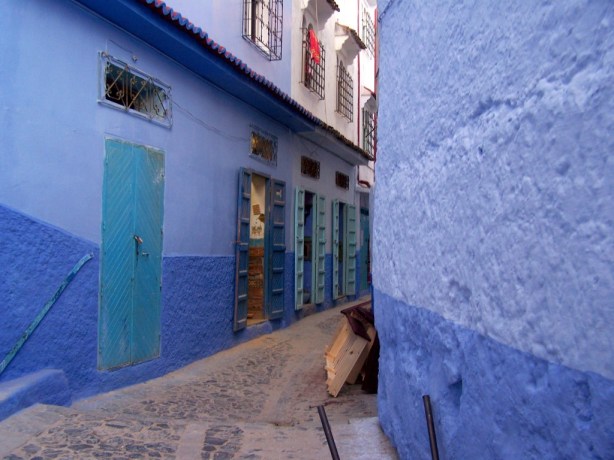
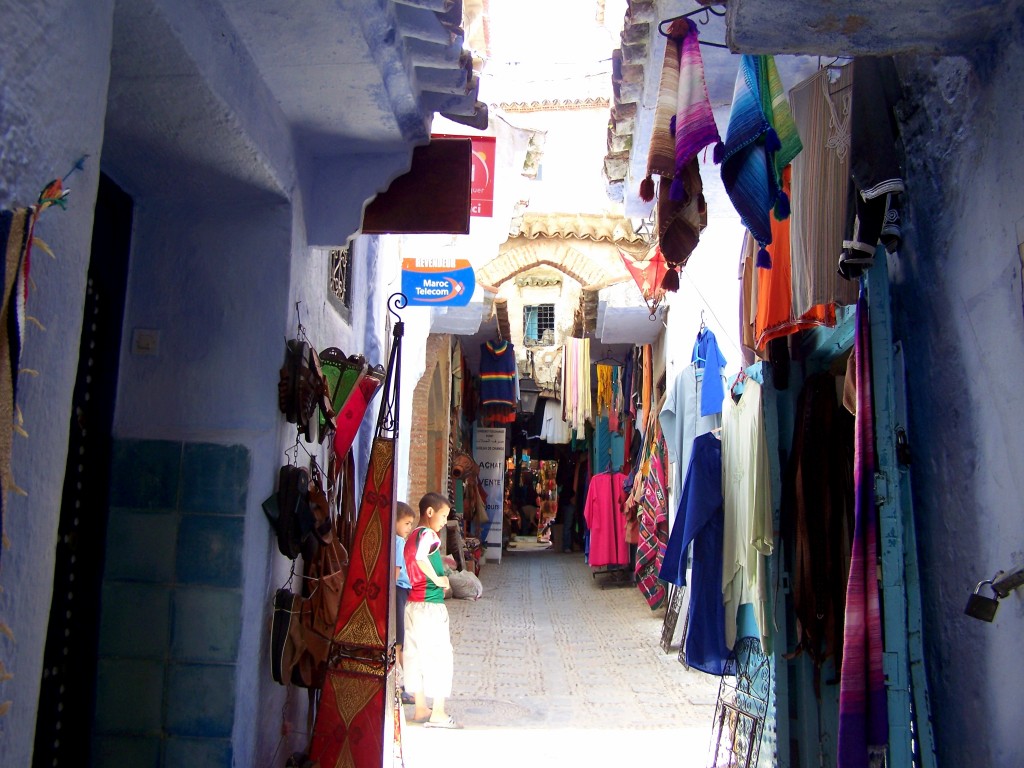
Morocco’s Chefchaouen is as unique as it is beautiful. Tucked between peaks of the marijuana-laden Rif Mountains, the village crawls (often times, steeply) up a hillside and treats visitors to the land of one-thousand welcomes.

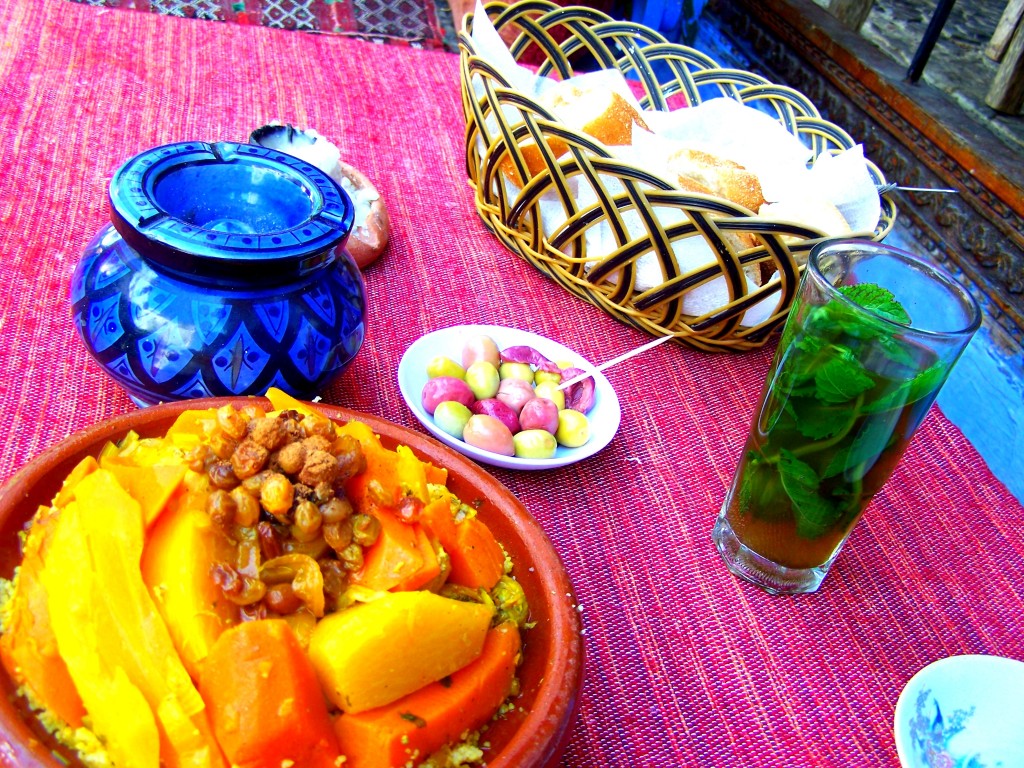
But, there is more to the town than the warm hospitality and Moroccan culinary delicacies like the delightfully colorful and flavorful Berber dishes of tagine, raisin-topped couscous, and cup fulls of sweet mint tea  — there is the city itself which easily reaches its way into the hearts of travelers from every corner of the world.

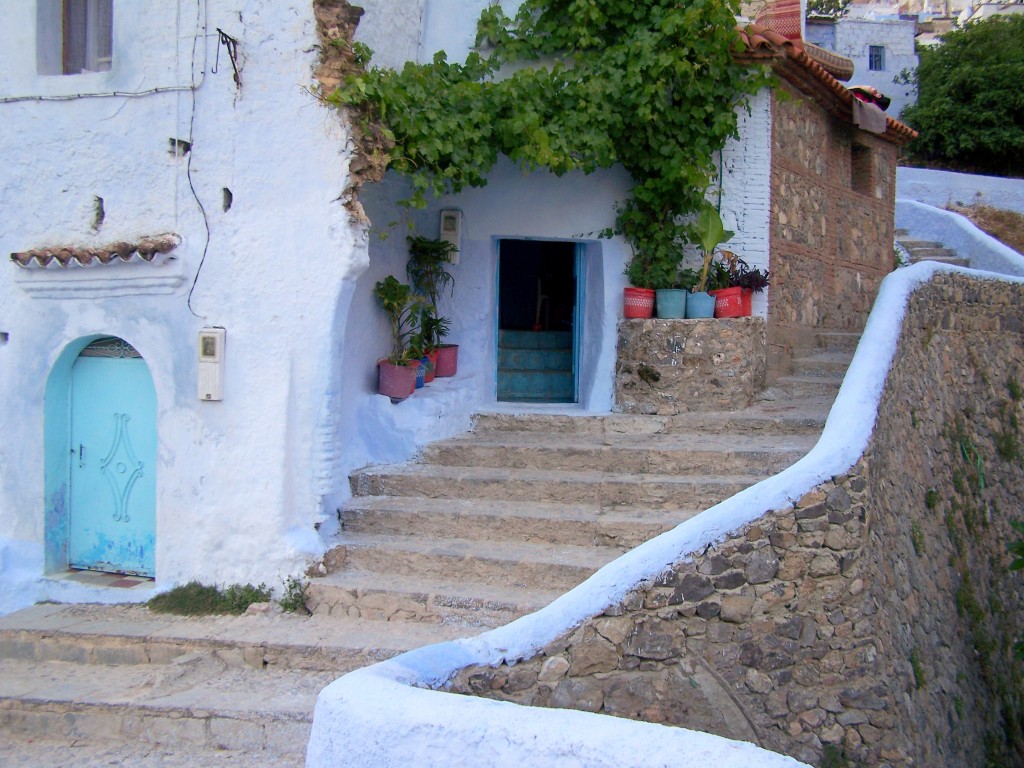
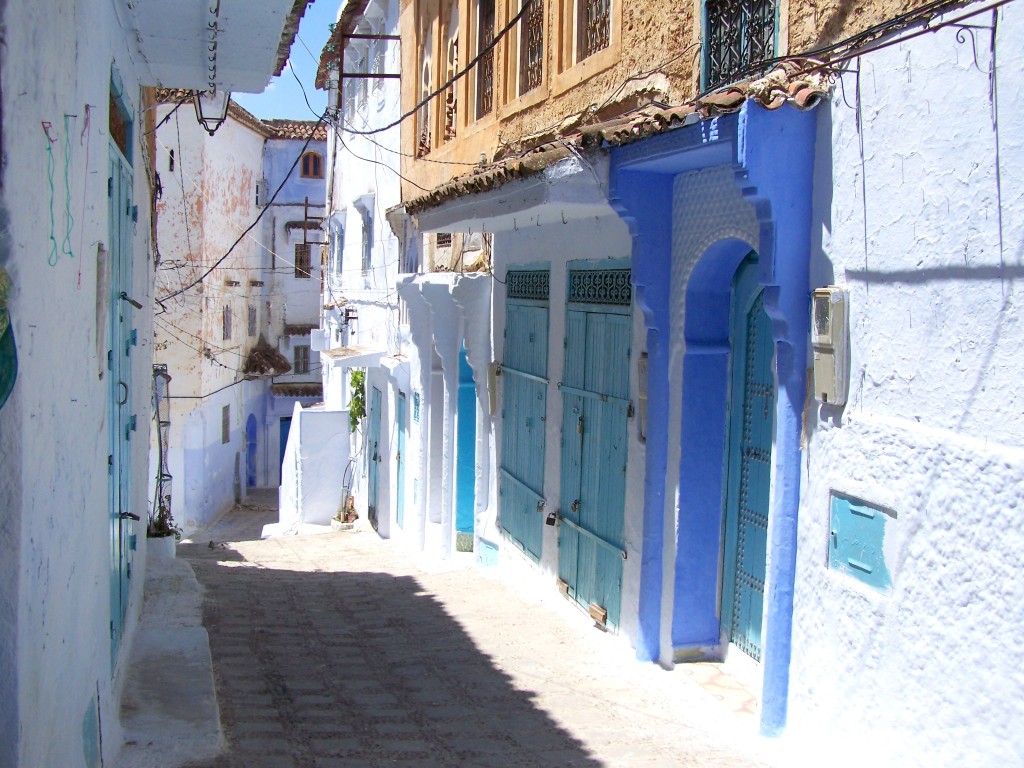
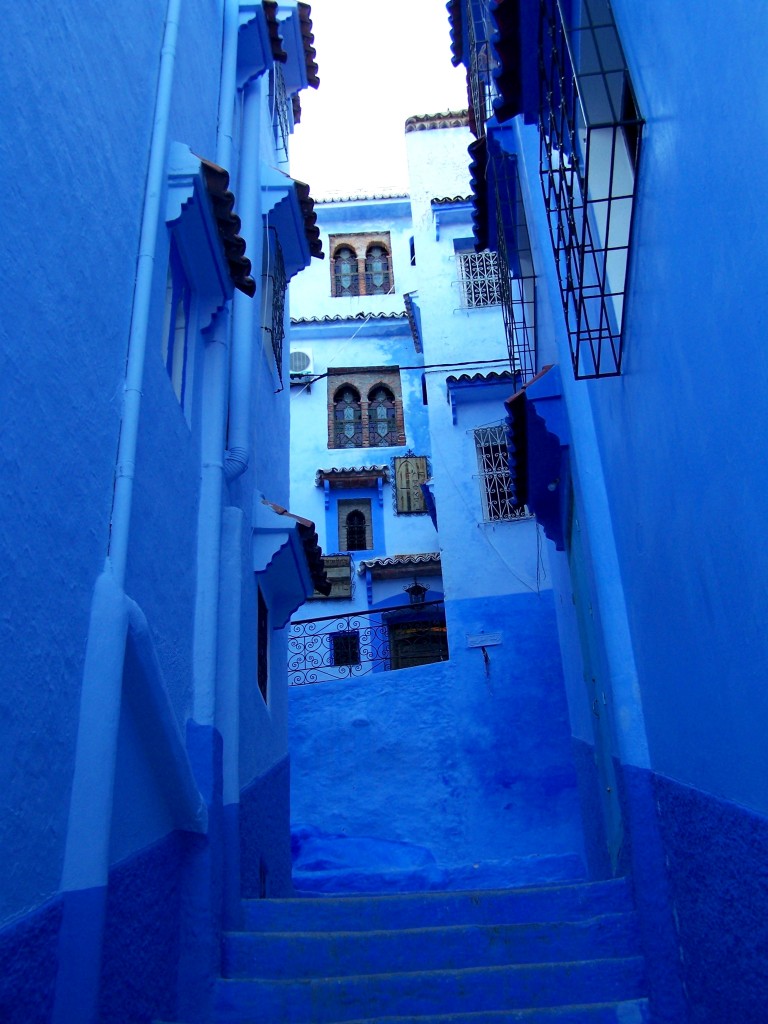
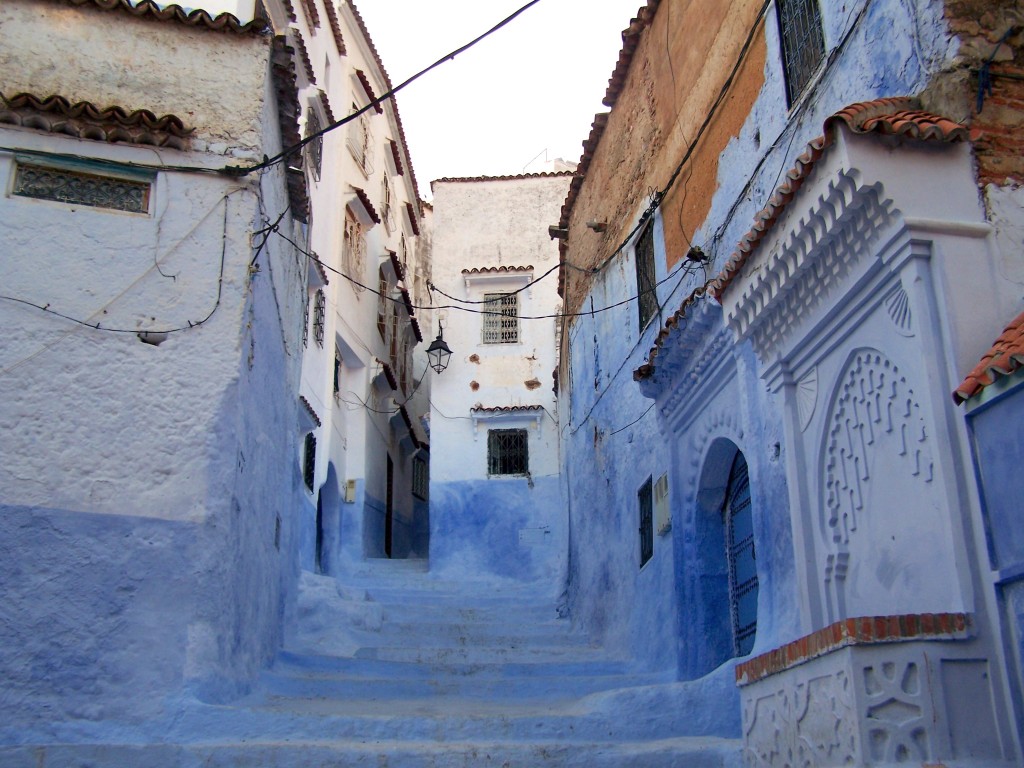
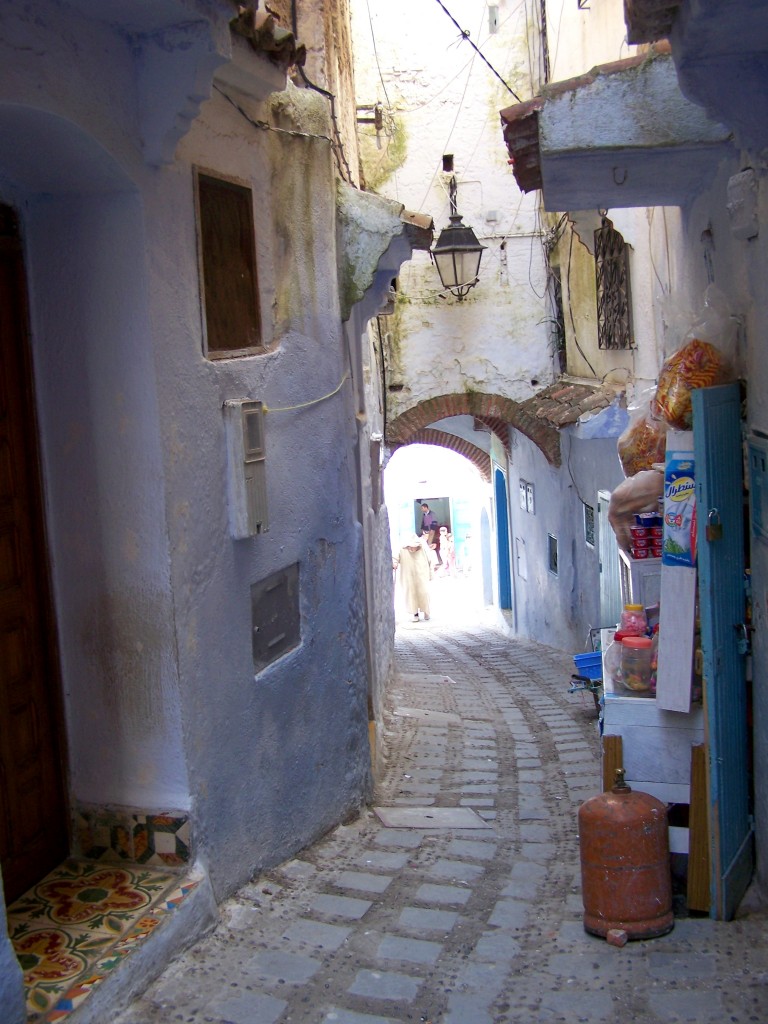
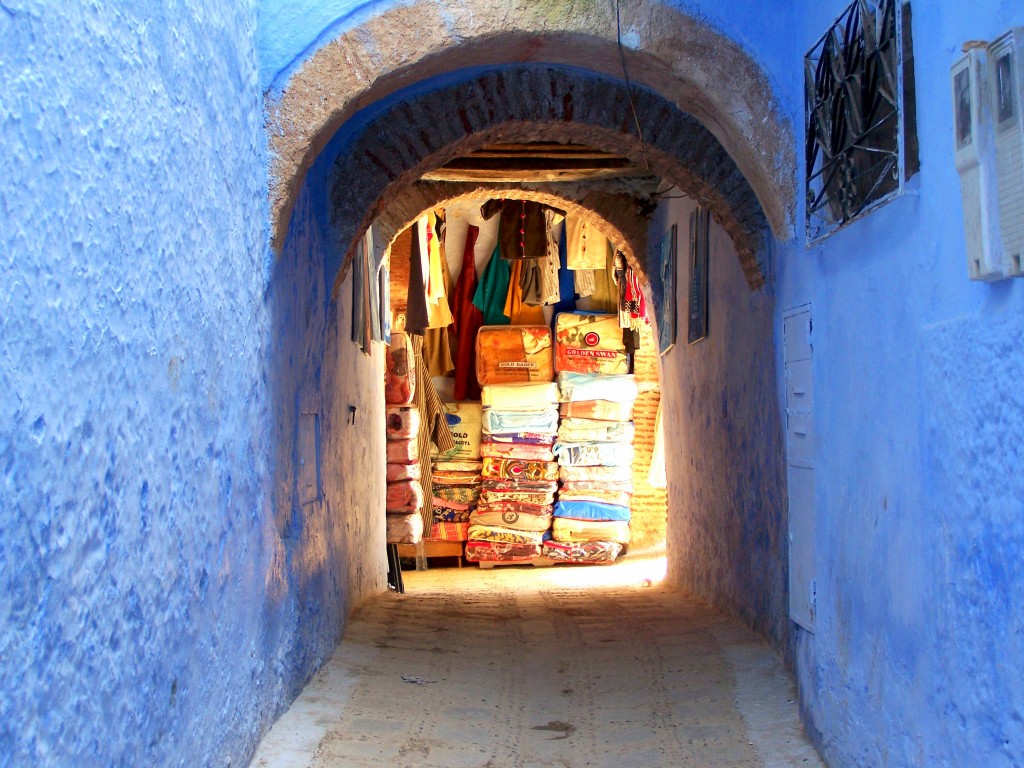
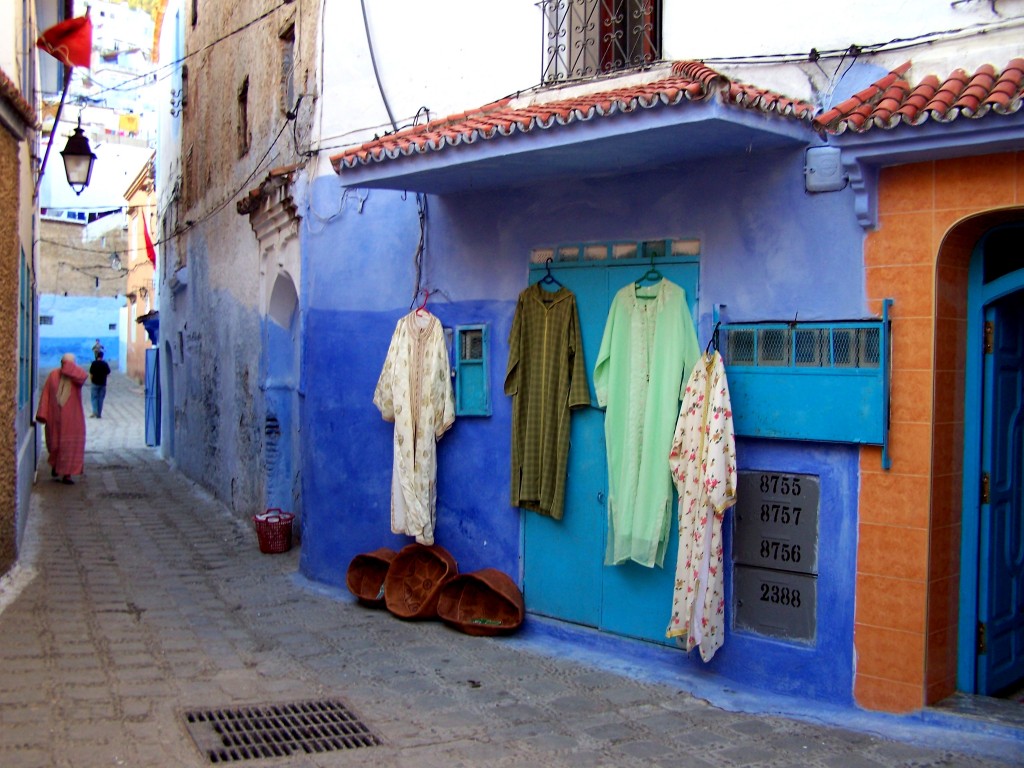
Located in the northwest of the country, Chefchaouen is quite possibly the most photogenic place I have ever visited. Here, buildings are two-tone, powder blue on the bottom, white on the top.

Accents on buildings are an array of turquoise and aqua.

In some areas, even the white looks blue, thanks to the intense coloring and reflection of the bright azure shades.

Some say the blue is painted on the white-washed buildings to keep the mosquitoes and flies out; others reason the painted walls are rooted in the Jewish history of the town.

Look familiar?

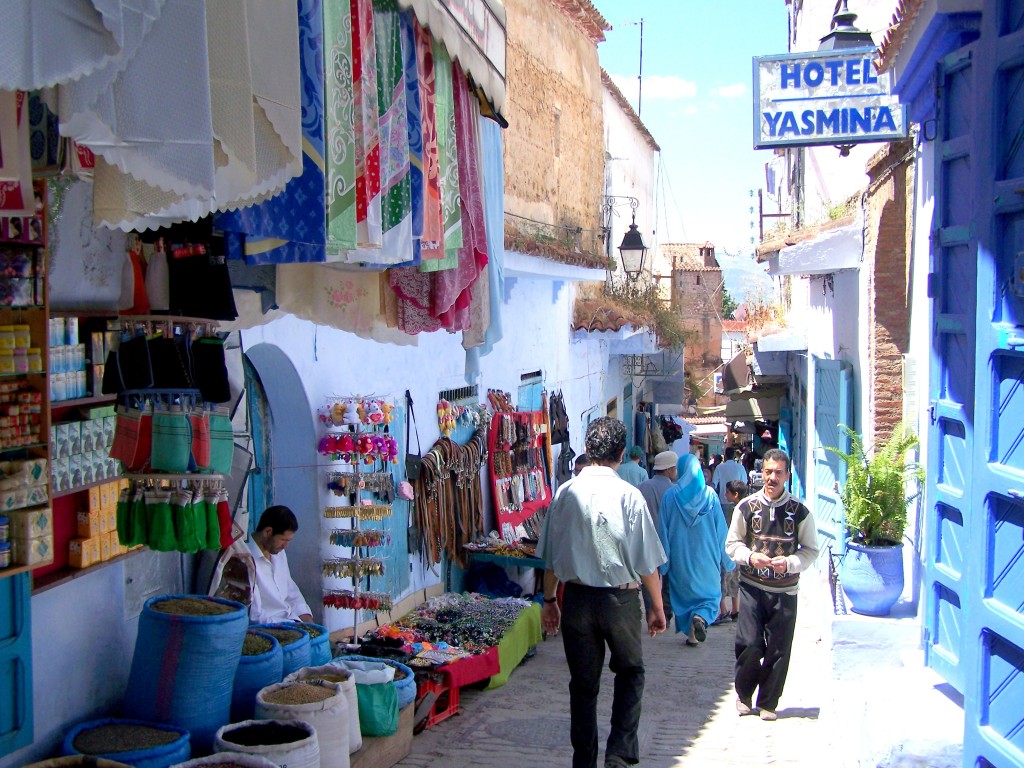
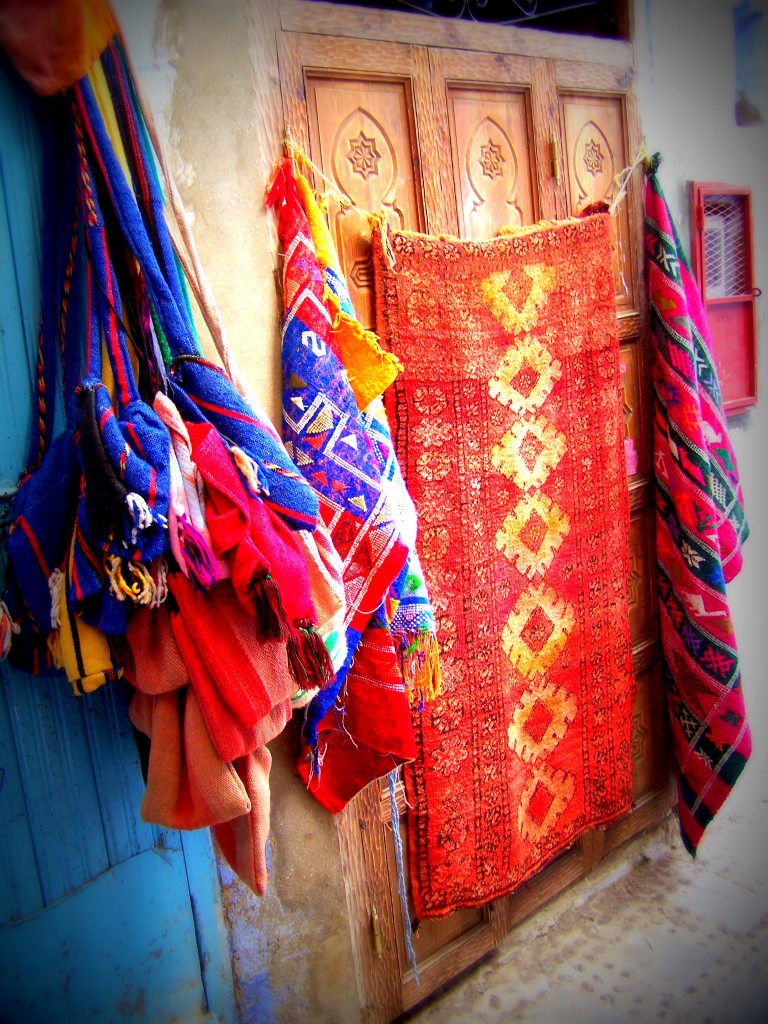
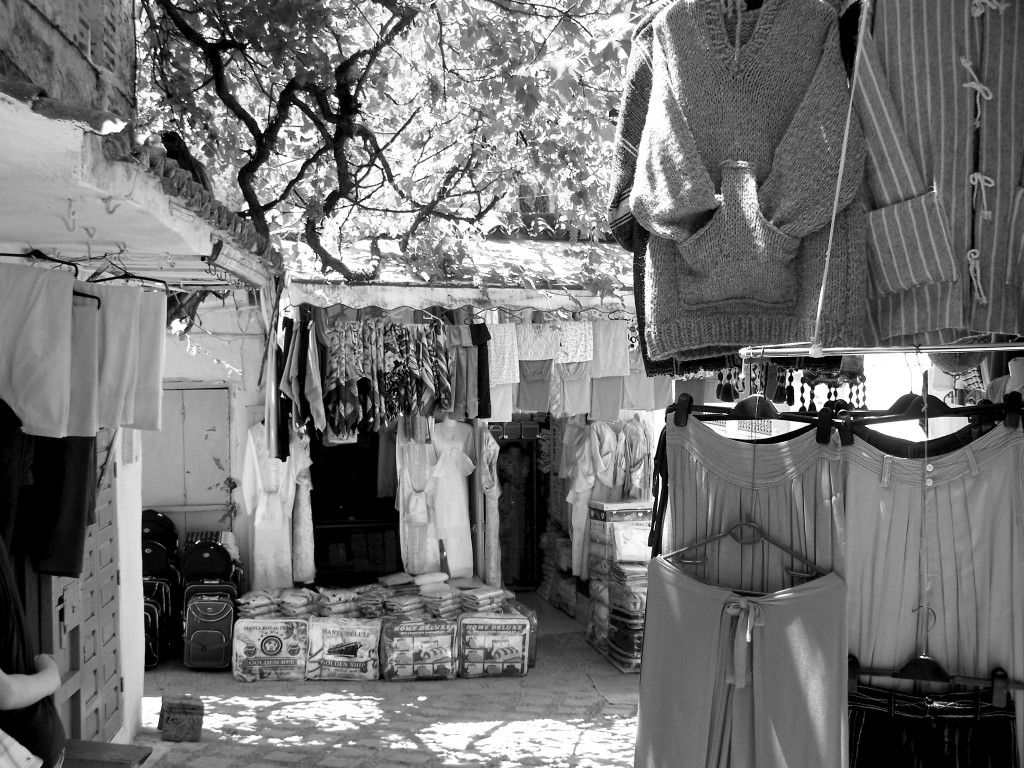
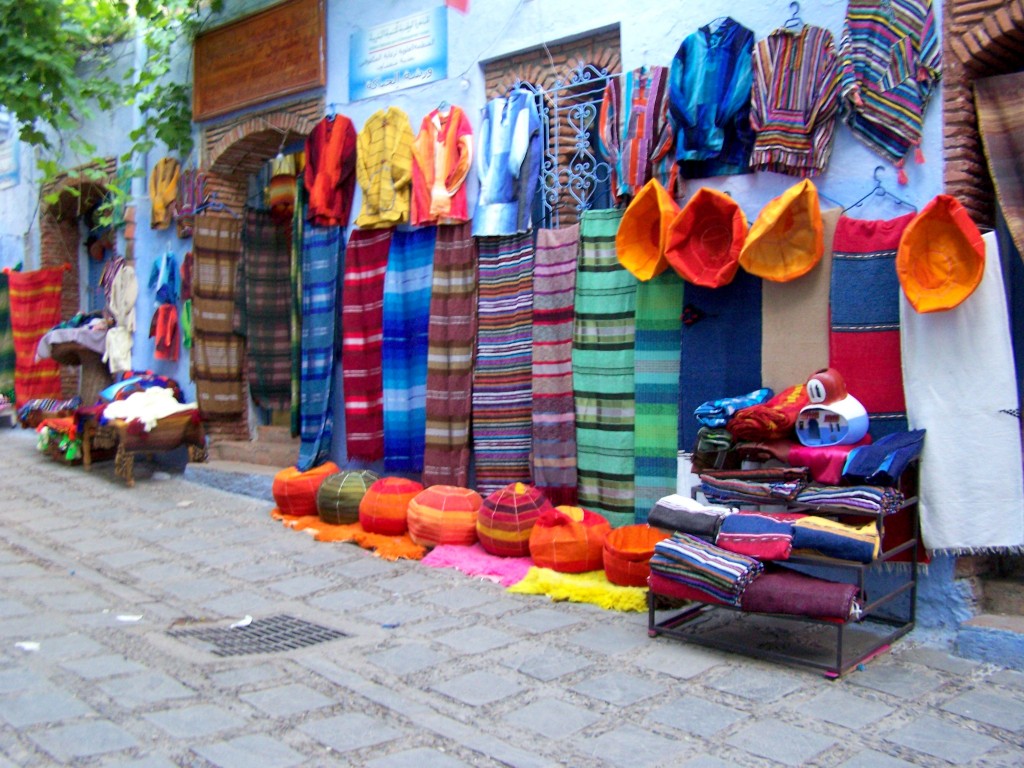
Aside from the walls (and marijuana/hash/kief), Chefchaouen is also known for its shopping.

It’s nearly impossible to not stop and stare at the bright pops of leather goods, hand-woven rugs, clothing and more on display.

You never know what you will find.

There is definitely something extremely magical and surreal about wandering through the medina of Chefchaouen. The bursts of vines hanging overhead. The quaint cafes serving food that is just as colorful as the shop displays. The fresh air. The welcomes. The blue tint of the skin by day and the stars sparkling overhead at night. Unlike Marrakesh, Fez and other  major cities, Chefchaouen bursts with a character and a true beauty I’ve never seen before.

Getting there:

From Tangier, hop on the bus to Chefchaouen. Take note: Chefchaouen is built on a hill. For those carting large luggage, particularly luggage with wheels, you would do better to take a cab from the bus stop up to the medina. For those who opt to walk, god speed. It just looks vicious.

Daily Wanderlust: Chess and Budapest’s train station

I had a hard time in Budapest, mainly because after a month of traveling with people, iut was the first time I was traveling solo.

During the few days I was in Budapest, I made sure to head to the baths (even though I fought myself in terms of taking it off while there).

On my way out of town, via train to Romania, I came across these men playing Chess at the train station.

Volunteer with rescued cheetahs at Namibia’s Cheetah Conservation Fund

Editor’s Note: This is a guest post by Natasha Zapata and a part of the Travel Bloggers Giveback series. To learn more about TBGB, please visit its Facebook page. If there is an organization you would like to promote with a guest post, please contact me.

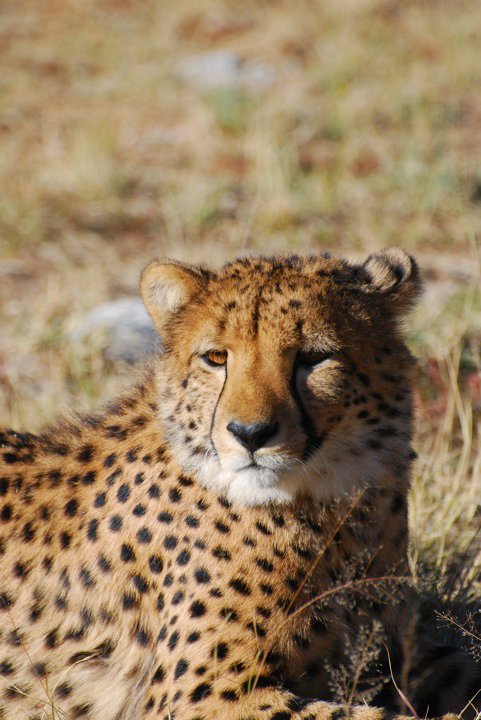
“The fastest animal on Earth is running out of time” reads the brochure from the Cheetah Conservation Fund (CCF). But, according to zoologist Dr. Laurie Marker, we can all help change that.

Dr. Marker founded Namibia’s CCF as a result of her travels earlier in her life. In 1977, she traveled to Namibia to conduct research on the re-introduction of captive cheetahs into the wild. It was then she learned of the conflict between livestock farmers and cheetahs. Hundreds were being killed annually. In 1990, she returned and founded CCF to work towards their survival in the wild.

Today, CCF is an internationally recognized research and education center that has become a model for predator conservation worldwide.

Volunteering at CCF

Two years ago, I was privileged to visit the CCF to see firsthand the incredible work Dr. Marker, staff and volunteers perform. There’s is a holistic approach to keeping the wild cheetah from extinction. They teach farmers ways to prevent predation of livestock, educate people about the importance of predators in a functioning ecosystem and are restoring and opening up habitat for cheetah and their prey.

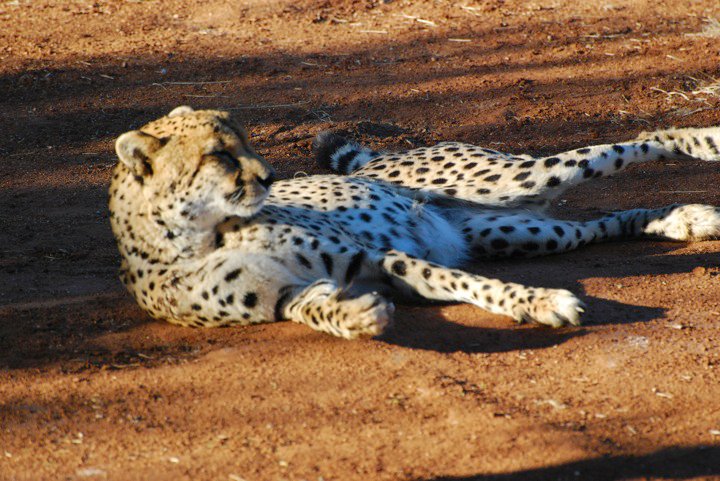
My visit to CCF was exciting and educational. I helped feed the resident cheetahs and was “introduced” to three orphaned up and coming “Ambassador” cheetah cubs. I toured the hospital, research lab, classrooms and education center. I remain a loyal supporter.

The reality for wild cheetahs

Estimates for cheetah remaining in the wild are about 10,000 – a decrease of approximately 90 percent in 100 years. Wild cheetahs have already become extinct in 16 countries where they once roamed. In 20 years, wild cheetahs could become extinct.

It’s no wonder Dr. Marker and CCF are working so hard.

To give cheetahs a fighting chance, the organization operates the Livestock Guarding Dog program which enlists special breeds of dogs to protect livestock and keep cheetahs from attacking. It also manufactures BushBlok® , a clean-burning wood fuel briquette made from acacia bush which is overtaking the cheetah’s habitat. At the same time, CCF has also created a genetics lab, conduct census’ to maintain accurate numbers, and care for more than 50 orphaned and injured cheetahs.

Dr. Marker has received numerous awards and honors, the latest being the 2010 Tyler Prize for Environmental Achievement, and after spending time as a volunteer at CCF, it is easy to see why. This remarkable woman has dedicated her life to not letting these “spots” disappear in the wild.

You can help

Aside from donations and a wish list of items needed, there are other ways to help cheetahs with CCF. The organization offers two and four week volunteer stints. For more information, please visit their Web site to learn more.

About the Author: Natasha Zapata is an animal-lover who is a docent at the Staten Island Zoo.

Daily Wanderlust: Sunset over Monfrague National Park

I truly believe the Extremedura region of Spain in the springtime is quite possibly the most beautiful place to celebrate this spectacular time of year.

In April, Monfrague National Park comes alive with a carpet of bright green grass dotted with yellow flowers, little pea-green leaves sprouting from trees, and blue, blue skies.

Sunset is no exception to the beauty this part of the world offers.

Daily Wanderlust: the ancient Queimada ceremony in Spain

During my time in Spain, I spent two separate weeks with the Vaughantown program teaching English to Spaniards. The first round was in an old and gorgeous village, Valdelavilla — the only English-speaking town in Spain. The second stint was in the beautiful and scenic Monfrague National Park during the heart of the Spanish spring.

Both times were amazing for very different reasons.

One constant in both programs was the Queimada ceremony.

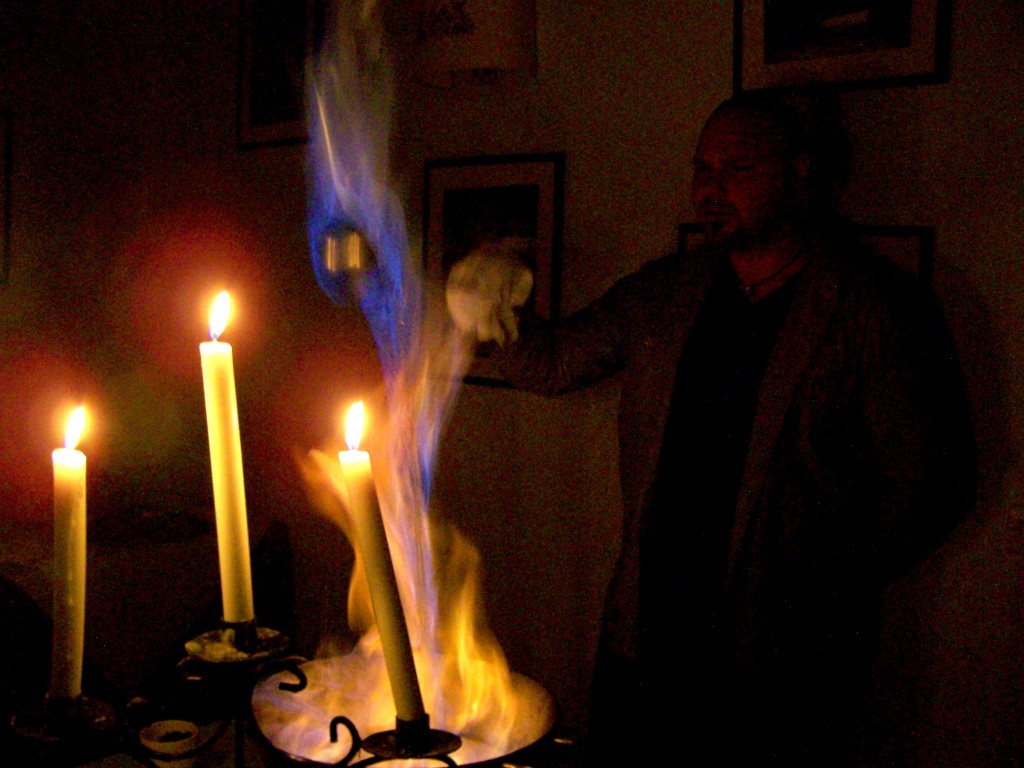
With roots in the Galician culture in Spain, each Vaughantown session includes a Queimada ceremony wherein a Spaniard and Anglo recite the chant/spell that goes along with assembling this fiery drink.


From hut to haute: checking in to the Rachamankha Hotel

The dirt embedded under my nails is thick. Despite having been “clean.” I guess, after a week at Elephant Nature Park as a volunteer with elephants, “clean” is relative.

When the Elephant Nature Park van arrives to the Rachamankha Hotel, an elegant boutique hotel inside the old city of Chiang Mai, and I catch a look at the pristine property and white walls, I tuck my hands into the pockets of my black sweats, hoping none of the staff notices my layer of grime.

“Welcome to the Rachamankha,” says one of the well-dressed bellmen as he hauls my brown backpack from the back of the Park’s white van and into the hotel’s compound.

I walk through the main entrance to the sprawling oasis of calm, casting a final look back at the van filled with the volunteers from my time at the park, throwing a last wave and blowing kisses, then follow the man into the little reception room.

He gestures to a cushioned seat, and I place my backpack and bag on the chair next to me, wiping a thin coating of sweat off of my face and making sure I am not too dirty from hugging elephants to sit in the seat.

Then, I am given an ice-cold can of a lemongrass drink with a straw. As my reservation is pulled up, I suck down nearly the entire contents of the long, skinny can.

“This way please, miss,” the man checking me in says, handing me a key attached to a bulbous red key chain with a smattering of fringe, and then leading me out the door and into the courtyard of the hotel.

With my bags in tow, he quickly gives me an overview of the majestic property, pointing out the restaurant, library (a wall-less sitting area with couches, chairs and books), the pool … then, my room.

He swings open the double doors made of thick wood, places my bag on the stand, and then exits, leaving me to soak up my new surroundings.

I look around.

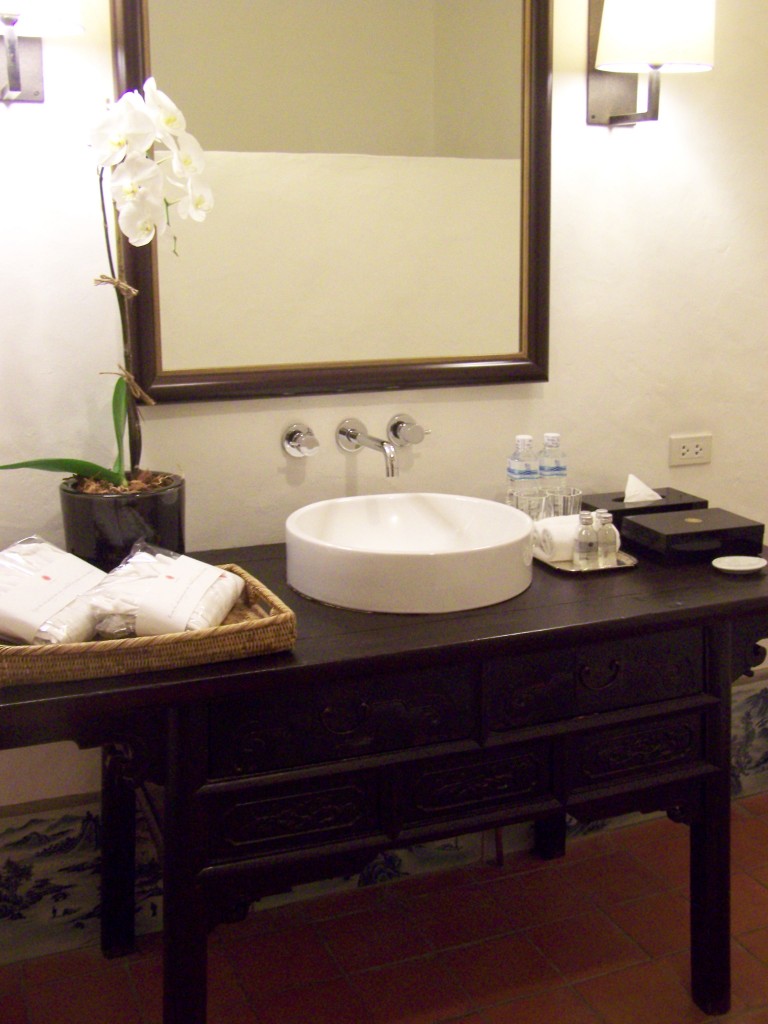
Crisp white sheets on the bed. Windows with glass. A bathroom en-suite with a huge shower head. Toiletries. An air-con unit.

This is a far cry from my primitive palace at Elephant Nature Park.

I sit softly on the bed, taking care not to crinkle the blanket just yet. And don’t move.

I don’t want to let myself get to into this moment yet. I’m not ready to let go of the past week of my life. Of the elephants. And, I’m afraid if I rush into this new chapter in Chiang Mai, everything will disappear … dissolve into thin air and memories too quickly.

Instead, I take a few deep breaths. Look around at my new, luxurious surroundings. I don’t feel right being here yet. After a week of being overheated, dirty, exhausted, emotional, I feel as if I am an imposter at the Rachamankha. That me and my backpack don’t belong under the roof of a place this nice.

After a few minutes, I let myself be brought into the moment, shedding my dirty clothes and putting them into a plastic bag to be washed. Then, I step into the shower and let the warm water wash over me, rinsing clean the dust and dirt from my body. I run soap through my white string bracelet given to me a week earlier when I was blessed by the shaman, and I recall a conversation I had with Adele, one of the volunteers, about her bracelet.

“This here, it’s got everything captured in it,” she had said, moving it back and forth on her wrist. “Banana balls, poo, dirt …”

I stop myself from giving it too good of a wash.

After all, there are some memories I’m not ready to wash away just yet.

Then, I quickly dress, apply some make-up for the first time in a week, then head back into the Chiang Mai evening. I’ve got a Sunday Night Market to conquer, and then a meet-up with some of the volunteers.

I turn off the air-con in my room, shut the huge wooden door, and exit into the darkness of the humid night, ready for the Chiang Mai experience. And still holding strong to the week with elephants.

Editor’s Note: I was a guest of the Rachamankha Hotel, however all opinions are my own. If you have questions regarding this, please read my disclosure policy.

Daily Wanderlust: a protest in Madrid

While I dreamed of spending time basking in the sun of the gorgeous Canary Islands,  this backpacker girl wasn’t able to take a holiday from my travels. Instead, I ended up spending countless days in Madrid, falling more and more in love with the city.  Each day, I took it upon myself to explore the best of Madrid and the countless beauty and culture it had to offer.

One afternoon, I stumbled across this protest to end bull fighting. While, personally, I don’t condone the killing of animals as a pasttime, the history of this sport is very deeply ingrained in the Spanish culture. However, more and more, people are beginning to speak out against it.