“You made me promise you two things,” Kyla begins as we sit in her car after my 24-hour trip from Madrid to Las Vegas. One of my closest friends in the world for almost a decade, she’s always been the one I ask to remind of previous statements I have made about life.
“Yeah …” I breathe, knowing at least one of the things about to come out of her mouth.
“One was to never let you cut your hair short again.”
It’s cloudy and rainy when we walk into the piercing shop in Brasov, Romania. One of those bone-chilling days where the right idea is to stay inside and do nothing. But, with a new city outside my hostel door, sitting inside is the last thing I want to do. So, with a new friend at my side, the two of us venture out. And, end up in this little piercing shop.
“I’ve always wanted to get my nose pierced,” I announce to my friend as we stare at the selections.
“Well, you should do it,” he says.
I let the thought cross my mind, and quickly let it leave.
There are so many gifts for travelers on the market, and will soon be an onslaught of online gift guides for travelers. But, this guide is different.Welcome to the second edition of The Feel Good Gift Guide, which highlights some of the best gifts for travelers in your life.
Why?
Below, you will find only sustainable gifts that are either locally sourced or give back to communities. So, keep that special traveler (or travelers) in mind and get shopping for the holiday season today and give the travelers in your life something special! And, people who know me, these are ALL excellent gifts for a certain person you know.
My heart races as the cab driver pulls up to the International Terminal at Madrid. I’ve been here before, but this time, it’s different. This time, I’m not hopping on a short flight to London, or heading to the States to procure my Spanish Visa. This time, I’m going back to Thailand. The longest place I have called “home” in what seems like a lifetime.
I stand outside, looking at the cloudless blue sky and the barren hills which line the airport.
In 20 hours, my view will be a tropical paradise.
I’ve flown in and out of Bangkok more than any other airport in the world, and yet, on this occasion, I’m not flying to my moat-encircled city in the north of the country. I’m not returning to my Thai house. To the elephants. I’m heading to Thailand to speak at an event, and with that comes a tidal wave of raw emotions.
Editor’s Note: This post is in partnership with Swissotel. Bangkok. The Big Mango. Thailand’s crowded capital I’ve been to too many times to count. It’s a city I used to dislike. Crowded. Humid. But, the more I have gone, the more I have begun to like it. I could wander down the sois and discover adorable coffee shops and restaurants in the Ari neighborhood. Or, explore the trendy area of Sukhumvit with its nightclubs and world-class dining. Or, I simply could shop until I drop at the many massive shopping malls (and, let me tell you, they put American malls to shame. Shame, I say).
Of course, my last visit to Bangkok was only a few weeks ago. It was my first time returning to Thailand after more than 10 months away from what used to be my home. It’s always weird to return to a place I used to live. It’s an urban jungle, and one I am slowly … slowly … coming to love.
Six years ago, on a warm October night, I lay in my bed in a century-old house, tossing and turning. Work, my 30th birthday trip to Croatia and my cloudy future in Atlanta all jockeyed for space in my mind. Yet, the only thing which kept repeating were the words “fumbling, stumbling, mumbling …” as my first night in Croatia played out on repeat in my head.
I need to write this shit down while it is in my head.
As I writer, I know all too well how quickly things write themselves in my ever-churning mind. The words appear, I can see them, feel them. I promise myself these golden sentences weaving into a story will remain in my head in the morning, and yet, they never do. Although I vaguely remember the prose which was rampant, floating in my gray matter the night before, they rarely are reproduced.
Home, by definition, is the “place where one lives.”
As a former corporate-world-woman, long-term traveler, and now a serial expat, home has been many places and continues to morph into new and different places where I wake up.
It was where I grew up, with my family, in the middle-class suburbs of Washington, DC. It was where I spent three semesters trying to fit in and find myself in Bowling Green, Ohio. It was three years in Towson where I finished my degree and then didn’t leave because I was in an emotionally abusive — and addictive — relationship. It was Las Vegas, where I spent the bulk of my mid- and late-20s. Then, it was Atlanta, where I attempted to have a more normal (and less glitzy) existence for a year.
After that, is was the road. Hostels, hotels, trains, airports, were my home as I navigated the world doing some solo female travel. When I returned to the States, home was again (albeit briefly) with my parents, and then back to Vegas.
“There’s a smell,” the man seated next to me explains as we circle the airspace above Bangkok. “I can’t describe it … but … it’s this smell. It’s distinct. It’s Thailand.”
I smile at him, weary from traveling for 24 hours and not looking forward to an overnight at the airport.
“Ah,” I remark half-heartedly. “I’ve never been.”
“Well, you will know when you step off the plane, it’s unmistakeable.”
When we step off the plane a few minutes later, it’s hard to get a whiff of anything as we move slowly from the jetway into the massive airport. But, when I step outside, it hits miss.
If you’re thinking about heading out and spending a large chunk of your money, there are resources to keep you traveling longer and options while traveling to stretch the budget. From volunteering in exchange for room and food, to booking sites, shared housing and rides and more, travel can be budget-friendly. I’m against the advice floating around regarding traveling without worrying about money, so wanted to share some ways to make traveling accessible for those with small budgets and how to travel on a budget.
How to Travel Longer, for Less
Teaching Abroad
Many opt to teach English and travel slower, spending time in one country for an extended length (as long as that lovely visa allows) and then heading on to the next destination. In some countries, a TEFL or CELTA isn’t even necessary, and a person can make a decent income simply offering private conversational English. Often times, if someone is taking a course in a foreign country, placement after completing the program also comes with the package. The TEFL or CELTA can also get you the all-important (and necessary) visa.
Being a Digital Nomad
There is also the digital nomad lifestyle, which allows a person to work remotely and offer a service no matter where in the world they are. It is important to keep in mind that this lifestyle requires a lot of hard work, and isn’t something which only takes up a little time, allowing the rest of the time to spend traveling.
Unless a person has a solid foundation and business set up before they travel, working as a digital nomad can take years before a real profit is made, and that means living in countries where the cost of living is relatively less than the home country (Chiang Mai, Thailand is a great example of this, although lately longer term visas have been harder to obtain). Want to learn more about being a digital nomad? Check out Hammocks and Harddrives by Dave Dean of Too Many Adapters/What’s Dave Doing?.
Short-Term Work/Exchange Programs
Often during travel, short-term positions open up at hostels, where a traveler can work at reception or lead tours in exchange for room and board. There is also the possibility of getting paid under the table at bars or other outlets where English is needed.
For people who want to spend it all — keep some money in the bank — and instead try some budget-saving options like sleeping in dorm rooms in hostels, or couch surfing. There are also opportunities to work on yachts and help out at farms around the world. This is all work, but if a person doesn’t mind doing it, they are fantastic ways to save money and extend travel plans.
Resources for Budget Travel
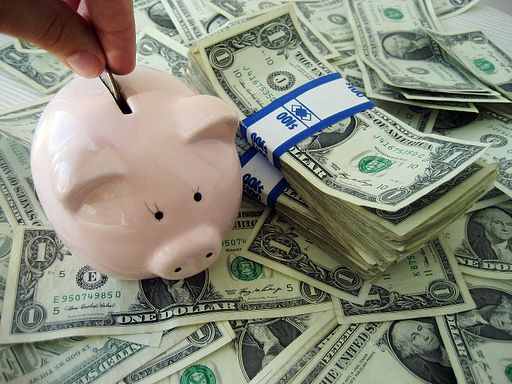
By 401(K) 2012 via Wikimedia Commons
There are many ways to save money while traveling … or just not spend as much. These are ones I recommend:
Work Exchange
HelpX: Created as a cultural exchange program, these are ideal for people traveling who want to experience travel more locally. HelpX offers listings of farms, farm and home stays, lodges, hostels, boats and more which offer volunteering opportunities to travelers in exchange for short-term accommodation and meals. Expect to work around four hours a day.
Workaway: Another cultural exchange program, budget travelers (either with trade skills or just wanting to help out) can volunteer their time at places around the world in exchange for food and lodging. Some seriously cool opportunities exist on this site, like caring for animals in New Zealand and volunteering on an organic farm in Costa Rica. I could spend hours just scrolling through the opportunities on this site.
Free/Cheap Places to Sleep
By Lochoaymca – Own work. Licensed under CC BY-SA 3.0 via Wikimedia Commons
Couchsurfing: A great way to meet locals, plus a free place to sleep? Yes, please. While not every experience is great (I had a particularly crappy one in Berlin five years ago), Couchsurfing is still one of the best ways to sleep for free in a location and learn more about life as a local. Be sure to thoroughly vet hosts and read their reviews and also to have your hosts write reviews about you.
Airbnb: I’ve only recently started using Airbnb and I love it. A house-sharing program, guests can rent rooms in a shared apartment (with either locals who call it “home” or other visitors), or even rent full apartments. Typically, these rooms go for less than a hotel and offer local touches, plus are often found in more local areas versus the super tourist-y ones. (Note: sign up for Airbnb now and save $25.)
Housesitting: I have two cats and when I travel, I don’t want to put them in a kennel; I want someone to stay at my house. For every trip I have taken the past few years, I have been lucky enough to find friends who want a free place to stay in exchange for cat-sitting. But, there are entire sites and books dedicated to house-sitting. It provides a free place to stay in exchange for caring for someone’s animals. While the sites charge a fee to join, the money saved on accommodation is valuable. Plus, it gets you super local and in the mix. Want to learn more about housesitting? Check out these e-books form Hecktic Travels and The Globetrotter Girls.
Hostels: Hostels have morphed a lot since I started traveling and using them. Today, you can book a cheap dorm or shell out a few more bucks and enjoy private digs. If traveling solo, make some friends and go in on private rooms, or smaller rooms, for a little more privacy. Just be sure to follow the hostel rules of the road. I try to book directly through hostel websites so they get all of the money from the booking, but sites like Hostel World offers pretty comprehensive and honest reviews of properties (and take a small cut of the booking).
Ride Shares
BlaBla Car: Forget trains and buses, ride shares offer an even more budget-friendly option to get from Point A to Point B. I’ve used BlaBla Car in Spain and love it. It’s easy to use: simply sign up on the website and look for rides to destinations. Like Couchsurfing and Airbnb, drivers and passengers get reviews, so look for drivers who are on-time and safe. It even includes the type of car being used to make sure you (and your stuff) can fit. Available in many countries in Europe, BlaBla also operates in Mexico.
Coseats: If you’re in Australia, check out Coseats, which operates similarly to Bla Bla.
Don’t forget the bountiful apps to download like Lyft and Uber which provide options for pricey cab rides in many major cities around the world.
Booking Travel
Google Flights: Hands-down, this is my favorite search engine to find inexpensive tickets around the world. Not sure when you want to travel, or where you want to go? No problem. The matrix lets you not only just input a departure date and then shows a map of destinations around the world with the cost for a return ticket, but it also provides a calendar showing cheapest airfares around your selected dates to let you toy with options.
Rome2Rio: Ride-sharing not your thing? That’s OK. I’m a huge fan of Rome2Rio which lets users enter the cities they are traveling to/from and then shows prices and routes for different transportation options. It was what allowed me to determine it was a lot harder than I thought to travel from Italy to Slovenia and gave me options other than the train.
Secret Flying: Oh my goodness. I could spend hours trolling this site and looking at all the super, ridicuslouly cheap airfares on here.
Cut Costs
Tip: Eat local.
Still want to cut costs? These are my go-to tips:
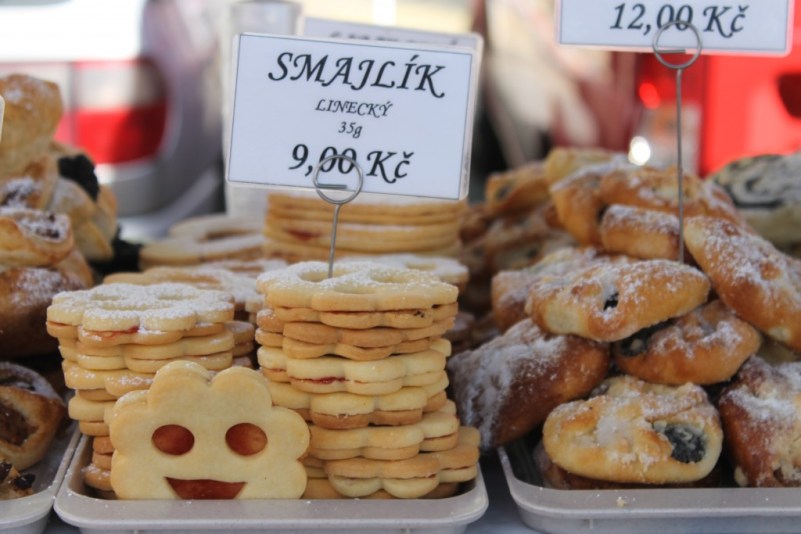
— Eat local.Shop at local farmer’s markets or dine at local restaurants. Stay off the tourist path and often times you will be rewarded with better quality food and lower prices. While not the healthiest, a baguette can go a long way and cover breakfast and lunch.
— Cook your own food.Sometimes even cheaper than eating local (depending on where you go; for example, in Thailand it is cheaper to eat at street food stalls versus purchase ingredients and cook), cooking your own food can save money. Opt for hostels with kitchens or hotels that at least have a microwave. You can save a lot by preparing at least one meal a day in a kitchen or room. Be sure to label your food if using a common kitchen though! Otherwise, it can go missing and someone else will have a full belly.
— Drink the local drinks. In Spain, wine is cheaper than soda. In Prague, beer is cheaper than water. While I’m not saying get wasted, I am suggesting enjoying some of the local popular beverages if you want to have a little booze. Also, look for pub crawls run by hostels. Often, you can get discounted drinks or free drinks through these tours.
— Look for free attractions and events.In many cities in Europe, there are free walking tours (but you do have to tip). These are a fantastic way to learn about the city and its highlights, plus gain some knowledge about the history. Some cities even offer free food tours and free bike tours. In addition, many museums (I’m looking at you, Madrid), offer free entrance on select days during specific hours. While the lines tend to be longer, it saves you the entrance fee. Also be on the look out for festivals. In Madrid, every month the city brings together all of its food trucks. Sure, you’ve got to pay to sample the goods, but looking is free.
— Use cash.Bring a debit card with you and pull out a sum of money and use that instead of using your charge card or bank card, which often tacks on international fees. The only time I use my credit card while traveling is when I want to build up my points so I can get miles.
— Use budget airlines/regional carriers. In Europe, if I can’t travel via car, bus or train due to time constraints, I always will check out the prices on budget airlines or regional carriers. Airlines like Ryan Air and Easyjet offer some killer deals to destinations. Just be wary of the fees they tack on for extra baggage, not printing out your boarding pass ahead of time, and amenities onboard.
— Reuse bottles.Aside from the fact that plastic is contributing to our decline, reusing plastic bottles is a fantastic way to save money. If you’re not using your own bottle, purchase one and simply refill it as you go. In places like Thailand, where you can’t use the tap water, refilling stations are plentiful and cost pennies to fill entire jugs. This goes for airports, too, where you can bring an empty bottle through security and just fill up from a fountain once you’ve cleared security.
— Use cargo ships/repositioning cruises.Cargo ships are a unique way to see the world. Prices are significantly cheaper than cruises and let travelers get a first-hand look at life on a cargo ship. Repositioning cruises are another option. These happen when a cruise needs to relocate for a season, often times from one continent to another. They offer discounted prices for these. For more on the experience, Jodi Ettenberg from Legal Nomads wrote about her experience on a repositioning cruise and how to make the most of it.
— Buy travel insurance.Seriously. This one is super important. Yes, it costs a little bit of money, but travel insurance (I opt for World Nomads) covers your butt when you need it. Don’t risk traveling without it.
— Use travel bookings sites for hotel deals.Often times, there are some deeply discounted hotel rooms available via sites like Agoda. You can search for beds via cost, ratings, location and more. I’ve found some fantastic deals via this site.
Bonus: Tips from Well-Traveled Bloggers
Tip: book your tours upon arrival.
— Don’t check a bag.Traveling carry-on is easier than most people think, and can save you up to $100 on some airlines. Not every bag is the right size for carry-on, though, so you have to buy the right bag ahead of time. And since it might be a little bit smaller than you’re used to, cut back on the non-essentials. I promise you won’t miss them. — Jeremy Scott Foster, Travel Freak
— Buy open jaw tickets/create your own layovers.Because I am rarely based in a hub city, I often create my own layovers. I buy a flight to a good hub airport, then purchase another from that airport to my final destination. It usually ends up saving me a good amount of money. The only catch is you need to make sure you leave a long layover in case of delays, because if you switch carriers, they won’t help you with missed connections. — Rease Kirchner, Indecisive Traveler
— Travel on overnight trains.Travel on overnight trains and you save on accommodation. — Paul Farrugia, Global Help Swap
— Travel on overnight ferries. In Europe, there are many overnight ferry routes, especially in the Mediterranean and Scandinavia. (Many ferries offer inexpensive sleeper seats in addition to cabins and couchettes.) — Durant Imboden, Europe for Visitors
— Clear your cookies when booking flights.If you’re booking your flights online and tend to visit the website a lot always refresh your cookies. Some popular booking websites only show the lowest fares to first timers to the website (or the first few times) but raise the price slightly for return visits. Refresh your cookies and search again before booking the flight just in case. — Alexandra Here, They Get Around
— Wait to book your excursions until you arrive.Book excursions at the destination or from groups around town, never book them from back home. People pay a small fortune if they book Machu Picchu from England, but once you’re out there you can book it the night before for a fraction of the price. — Tom Bourlet, Spaghetti Traveler
— Eat dinner earlier … and outside of the tourist area. When you want to eat out, pick a restaurant a block or two outside a tourist zone. Check Yelp for reviews instead of TripAdvisor to find great cheap eats. If you want to try a more expensive restaurant, opt for a late lunch instead of dinner. Menu items are cheaper and if you have a big meal you can skip dinner altogether. — Tracey Tullis, The Expat Experiment
— Pack inexpensive snacks. Always carry muesli bars so you have a snack when you need it and don’t have to buy overpriced junk. — Linda Martin, Indie Travel Podcast
— Walk. Walk as much as humanly possible. It not only saves you money on transport, but it opens up opportunities to see more, meet locals, and take photos on the fly. — Chris Walker-Bush, Aussie on the Road
— Be flexible. The less you require, the less your trip will cost. Period. — Tracy Antonioli, The Suitcase Scholar
— Join an airline reward program. I live for my Southwest Airlines Credit Card/Southwest Rewards. I haven’t found an airline that has a better points/miles system. You not only gain points easier and faster, but they also have no blackout dates, so if there is a seat on the plane, you can use points. — Rease Kirchner, Indecisive Traveler
— Get fare alerts. I have alerts set up on Hopper.com for when ridiculously cheap flights pop up from St. John’s. I got to Hawaii and back for less than $600. — Candice Walsh, Candice Does the World (soon to be Free Candie)
— Skip the soft drinks. When I travel, I opt for water. Dropping money on sodas can add up fast. I’ve seen people spend more than $100 a month just on that. — Alex Bradbeer, Finding the Freedom
— Visit during the off-season. A great way to save money when you travel is to visit places during their off-season. Many tourist attractions are less busy and you can often negotiate with hotels to get a cheaper deal on the price of a room. — Meg Collins, Travel Freedom Podcast
Do you have any money-saving tips for traveling? Be sure to leave them below!
Editor’s Note: Some links in this post are for affiliate programs. Please note, when you click on the links and purchase anything, I receive a small commission for the purchase. You are not charged more. This small amount of money helps keep this site alive. Thank you!







 Home, by definition, is the “place where one lives.”


 D Travels 'Round